Venezuelan Arepas
Venezuelan Arepas are far more than a beloved dish—they are a cultural emblem woven deeply into the nation’s gastronomic tapestry. These golden rounds of cornmeal dough have anchored Venezuelan tables for centuries, embodying nourishment, heritage, and communal pride. Born from indigenous ingenuity long before colonial times, arepas have gracefully evolved, absorbing countless flavors and fillings while retaining their humble charm. Today, they continue to enchant food lovers both within Venezuela and across the globe, offering a soul-satisfying experience cloaked in comforting simplicity.
What Makes Venezuelan Arepas Special
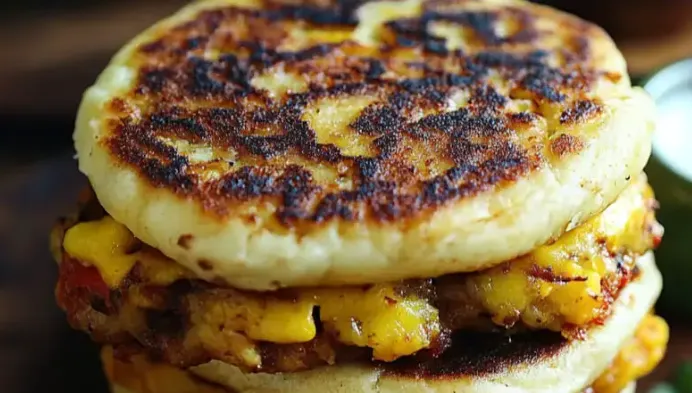
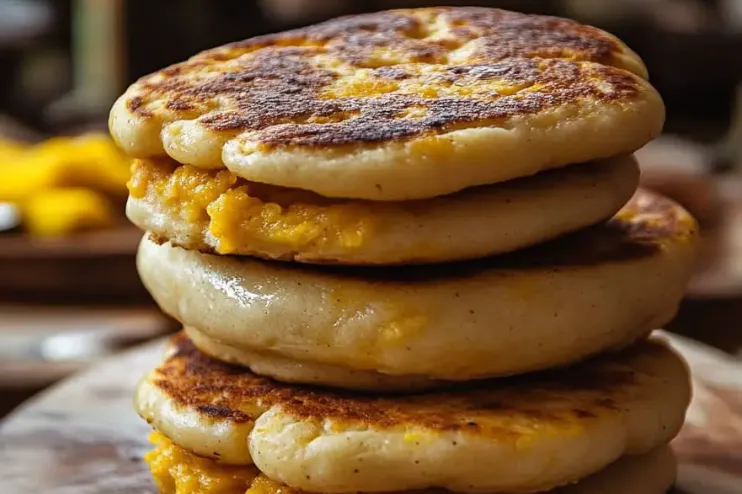
At first blush, Arepas might resemble modest corn cakes, but their magic lies beneath the surface. The cornerstone ingredient, pre-cooked cornmeal known as “harina PAN,” is indispensable, delivering a delicate crunch outside and a pillowy softness within. Unlike wheat flour, this special cornmeal captures an authenticity that cannot be mimicked. Arepas’ true genius, however, is their adaptability—transforming from a simple staple to a customizable culinary masterpiece, enjoyed equally at breakfast, lunch, or dinner.
What You’ll Need for Venezuelan Arepas
- 2 cups harina PAN (pre-cooked white cornmeal)
- 2 1/2 cups warm water
- 1 teaspoon salt
- 1 tablespoon vegetable oil (for the dough)
- Additional vegetable oil (for cooking)
How to Make Venezuelan Arepas
Prepare the Dough: In a spacious bowl, blend warm water and salt. Gradually sprinkle in the harina PAN, stirring continuously to ward off lumps. Knead gently until a soft, elastic dough forms. Allow it to rest for five minutes, giving the cornmeal time to fully hydrate.
Shape the Arepas: Break the dough into tennis ball-sized portions. Shape each into a smooth ball, then flatten it into a disc about half an inch thick—thick enough to cradle fillings, yet slim enough to cook through.
Cook the Arepas: Warm a tablespoon of vegetable oil in a non-stick skillet over medium heat. Nestle the discs into the skillet without crowding. Sear each side for 5–7 minutes until a golden, crisp shell emerges.
Bake the Arepas: For perfection, transfer the seared arepas into a preheated oven at 350°F (175°C). Bake for 10–15 minutes to achieve a uniformly tender interior.
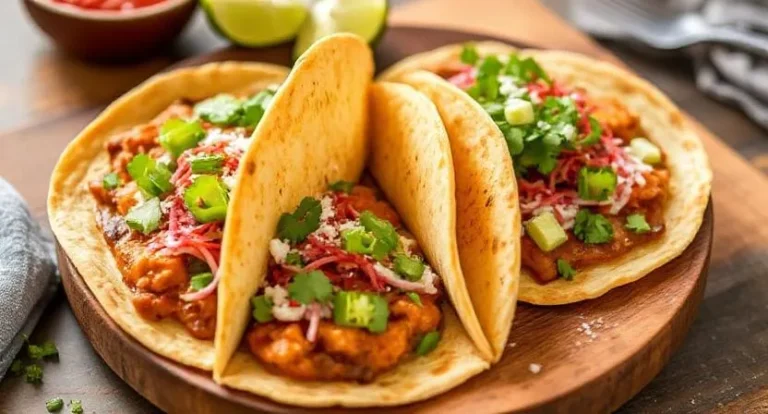
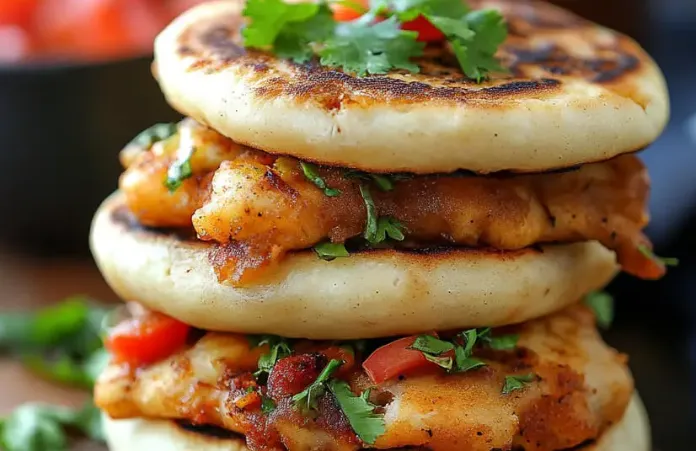
Serve: Let them cool slightly before slicing open. Fill with your favorites—think black beans, shredded chicken, creamy avocado, or melting cheese—and indulge in your homemade Venezuelan Arepas!
Times, Calories & Servings
- Preparation Time: 15 minutes
- Cooking Time: 20–30 minutes (including oven baking)
- Total Time: Approximately 45 minutes
- Calories: Roughly 150–200 per arepa, depending on fillings
- Servings: Yields 6–8 arepas, comfortably serving 3–4 people
How to Store Venezuelan Arepas
To preserve any leftover treasures, let the arepas cool completely at room temperature. Wrap them individually in plastic or tuck them into an airtight container. They’ll keep in the refrigerator for up to 3–4 days.
For reheating, skip the microwave to avoid sogginess. Instead, revive their crispness by warming them in a skillet with a touch of oil or in a 350°F (175°C) oven for a few minutes. This method brings them back to their original, irresistible glory.
Armed with these techniques, you’re poised to master one of Venezuela’s most treasured culinary gifts. Share the love of Arepas with those around you—it’s a delicious tradition worth passing on.
Tips for a Perfect Venezuelan Arepas
Creating exceptional arepas is refreshingly straightforward, but these expert tips will elevate your results:
- Pick the Right Flour: Always opt for “Harina P.A.N.” or “Masarepa” for a genuinely authentic taste and texture.
- Get the Dough Right: The dough should be medium-firm. If too sticky or dry, tweak it with small additions of water or cornmeal.
- Rest for Success: Allowing the dough to rest ensures optimal hydration and a smoother shaping process.
- Adapt for Needs: Gluten-free cornmeal is an option, though it may slightly alter the final texture.
- Infuse Flavors: Enhance the dough by mixing in herbs, spices, or shredded cheese for a signature twist.
The Best Variations of Venezuelan Arepas
The classic arepa is magnificent in its simplicity, yet experimenting with variations can add layers of excitement:
- Gluten-Free Arepas: Simply substitute with verified gluten-free cornmeal to accommodate dietary needs without compromising taste.
- Vegan Arepas: Swap traditional fillings like cheese or meat with vibrant plant-based options such as avocado, black beans, or dairy-free cheese.
- Arepas de Yuca: Blend yucca flour into your cornmeal mix for a uniquely earthy flavor and extra elasticity.
- Sweet Arepas: For dessert, sweeten the dough with a hint of sugar and cinnamon, filling them with cream cheese, berries, or luscious chocolate spread.
What to Serve with Venezuelan Arepas
Arepas are blank canvases, ready to be adorned with a wide range of accompaniments:
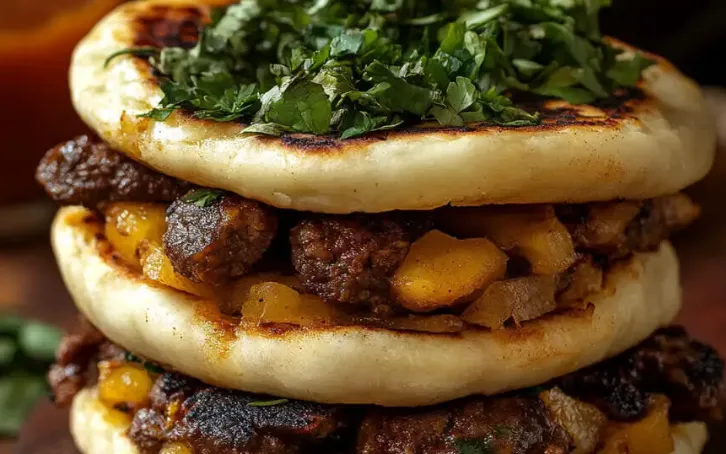
- Fillings: Classics like “Reina Pepiada” (chicken and avocado mix), shredded beef, black beans, or queso fresco never disappoint.
- Sides: Pair arepas with crispy fried plantains, a refreshing green salad, or smoky grilled vegetables.
- Beverages: Complement the meal with fresh passionfruit juice, creamy chicha, or a chilled light beer for an authentic experience.
Frequently Asked Questions
Can arepas be made ahead of time?
Yes, you can prep the dough in advance and refrigerate it for up to two days. Reheat the finished arepas on a skillet or in the oven to refresh their crispness.
My arepas are cracking; what went wrong?
Dry dough is the culprit. Add a little more water during mixing to ensure pliability and a smooth surface.
How do I store leftover arepas?
Cool completely, wrap tightly, and refrigerate for up to three days.
Can I bake arepas instead of frying?
Absolutely. Bake them at 375°F (190°C) for 15–20 minutes until firm and lightly golden.
Are arepas healthy?
Arepas are packed with complex carbs and fiber, making them a hearty and nutritious choice when paired with wholesome fillings.
Conclusion
Venezuelan arepas are more than a meal—they are a culinary journey, a gateway to tradition, and a canvas for creativity. Easy to craft, endlessly adaptable, and immensely satisfying, they captivate anyone who values hearty, soulful flavors. Let the tips and variations inspire your kitchen adventures as you delve into the enchanting world of arepas. Whether savory or sweet, traditional or adventurous, there’s an arepa for every taste, waiting to be discovered and devoured.